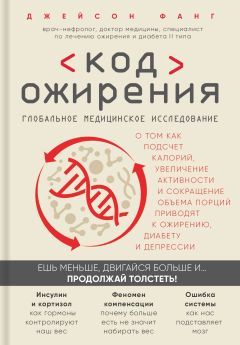
Автор книги: Джейсон Фанг
Жанр: Прочая образовательная литература, Наука и Образование
Возрастные ограничения: 12+
сообщить о неприемлемом содержимом
15. Bray GA, Nielsen SJ, Popkin BM. Consumption of high-fructose corn syrup in beverages may play a role in the epidemic of obesity. Am J Clin Nutr. 2004 April; 79(4) 537–43.
16. Beck-Nielsen H et al. Impaired cellular insulin binding and insulin sensitivity induced by high-fructose feeding in normal subjects. Am J Clin Nutr. 1980 Feb; 33(2):273–8.
17. Stanhope KL et al. Consuming fructose-sweetened, not glucose-sweetened, beverages increases visceral adiposity and lipids and decreases insulin sensitivity in overweight/obese humans. JCI. 2009 May 1; 119(5):1322–34.
18. Sievenpiper JL et al. Effect of fructose on body weight in controlled feeding trials: a systematic review and meta-analysis. Ann Intern Med. 2012 Feb 21; 156(4):291–304.
19. Ogden CL et al. Prevalence of childhood and adult obesity in the United States, 2011–2012. JAMA. 2014 Feb 26; 311(8):806–14.
20. Geiss LS et al. Prevalence and incidence trends for diagnosed diabetes among adults aged 20 to 79 years, United States, 1980–2012. JAMA. 2014 Sep 24; 312(12):1218–26.
Глава 15: Обман диетических прохладительных напитков
1. Yang Q. Gain weight by «going diet?» Artificial sweeteners and the neurobiology of sugar cravings. Yale J Biol Med. 2010 Jun; 83(2):101–8.
2. Mattes RD, Popkin BM. Nonnutritive sweetener consumption in humans: effects on appetite and food intake and their putative mechanisms. Am J Clin Nutr. 2009 Jan; 89(1):1–14. (This article is also the data source for Figure 15.1.)
3. Gardner C et al. Nonnutritive sweeteners: current use and health perspectives: a scientific statement from the American Heart Association and the American Diabetes Association. Circulation. 2012 Jul 24; 126(4):509–19.
4. Oz, M. Agave: why we were wrong. The Oz Blog. 2014 Feb 27. Available from: http://blog.doctoroz.com/dr-oz-blog/agave-why-we-were-wrong. Accessed 2015 Apr 9.
5. Gardner C et al. Nonnutritive sweeteners: current use and health perspectives: a scientific statement from the American Heart Association and the American Diabetes Association. Circulation. 2012 Jul 24; 126(4):509–19.
6. American Diabetes Association [Internet]. Low calorie sweeteners. Edited 2014 Dec 16. Available from: http://www.diabetes.org/food-and-fitness/food/what-can-i-eat/understanding-carbohydrates/artificial-sweeteners. Accessed 2015 Apr 12.
7. Stellman SD, Garfinkel L. Artificial sweetener use and one-year weight change among women. Prev Med. 1986 Mar; 15(2);195–202.
8. Fowler SP et al. Fueling the obesity epidemic? Artificially sweetened beverage use and long-term weight gain. Obesity. 2008 Aug; 16(8):1894–900.
9. Gardener H et al. Diet soft drink consumption is associated with an increased risk of vascular events in the Northern Manhattan Study. J Gen Intern Med. 2012 Sep; 27(9):1120–6.
10. Lutsey PL, Steffen LM, Stevens J. Dietary intake and the development of the metabolic syndrome: the Atherosclerosis Risk in Communities Study. Circulation. 2008 Feb 12; 117(6):754–61.
11. Dhingra R, Sullivan L, Jacques PF, Wang TJ, Fox CS, Meigs JB, D’Agostino RB, Gaziano JM, Vasan RS. Soft drink consumption and risk of developing cardiometabolic risk factors and the metabolic syndrome in middle-aged adults in the community. Circulation. 2007 Jul 31; 116(5):480–8.
12. American College of Cardiology. Too many diet drinks may spell heart trouble for older women, study suggests. ScienceDaily [Internet]. 29 March 2014. Available from: http://www.sciencedaily.com/releases/2014/03/140329175110.htm. Accessed 2015 Apr 9.
13. Pepino MY et al. Sucralose affects glycemic and hormonal responses to an oral glucose load. Diabetes Care. 2013 Sep; 36(9):2530–5.
14. Anton SD et al. Effects of stevia, aspartame, and sucrose on food intake, satiety, and postprandial glucose and insulin levels. Appetite. 2010 Aug; 55(1):37–43.
15. Yang Q. Gain weight by «going diet?» Artificial sweeteners and the neurobiology of sugar cravings. Yale J Biol Med. 2010 Jun; 83(2):101–8.
16. Smeets, PA et al. Functional magnetic resonance imaging of human hypothalamic responses to sweet taste ad calories. Am J Clin Nutr. 2005 Nov; 82(5):1011–6.
17. Bellisle F, Drewnowski A. Intense sweeteners, energy intake and the control of body weight. Eur J Clin Nutr. 2007 Jun; 61(6):691–700.
18. Ebbeling CB et al. A randomized trial of sugar-sweetened beverages and adolescent body weight. N Engl J Med. 2012 Oct 11; 367(15):1407–16.
19. Blackburn GL et al. The effect of aspartame as part of a multidisciplinary weight-control program on short– and long-term control of body weight. Am J Clin Nutr. 1997 Feb; 65(2):409–18.
20. De Ruyter JC et al. A trial of sugar-free or sugar sweetened beverages and body weight in children. NEJM. 2012 Oct 11; 367(15):1397–406.
21. Bes-Rastrollo M et al. Financial conflicts of interest and reporting bias regarding the association between sugar-sweetened beverages and weight gain: a systematic review of systematic reviews. PLoS Med. Dec 2013; 10(12) e1001578 doi: 10.1371/ journal.pmed.1001578. Accessed 2015 Apr 8.
Глава 16: Углеводы и защитные пищевые волокна
1. Data source for Figure 16.1: Cordain L, Eades MR, Eades MD. Hyperinsulinemic diseases of civilization: more than just Syndrome X. Comparative Biochemistry and Physiology: Part A. 2003; 136:95–112. Available from: http://www.direct-ms.org/sites/default/files/Hyperinsulinemia.pdf. Accessed 2015 Apr 15.
2. Fan MS et al. Evidence of decreasing mineral density in wheat grain over the last 160 years. J Trace Elem Med Biol. 2008; 22(4):315–24. Doi: 10.1016/j. jtemb.2008.07.002. Accessed 2015 Apr 8.
3. Rubio-Tapia A et al. Increased prevalence and mortality in undiagnosed celiac disease. Gastroenterology. 2009 Jul; 137(1):88–93.
4. Thornburn A, Muir J, Proietto J. Carbohydrate fermentation decreases hepatic glucose output in healthy subjects. Metabolism. 1993 Jun; 42(6):780–5.
5. Trout DL, Behall KM, Osilesi O. Prediction of glycemic index for starchy foods. Am J Clin Nutr. 1993 Dec; 58(6):873–8.
6. Jeraci JL. Interaction between human gut bacteria and fibrous substrates. In: Spiller GA, ed. CRC handbook of dietary fiber in human nutrition. Boca Raton, FL: CRC Press, 1993. p. 648.
7. Wisker E, Maltz A, Feldheim W. Metabolizable energy of diets low or high in dietary fiber from cereals when eaten by humans. J Nutr. 1988 Aug; 118(8):945–52.
8. Eaton SB, Eaton SB 3rd, Konner MJ, Shostak M. An evolutionary perspective enhances understanding of human nutritional requirements. J Nutr. 1996 Jun; 126(6): 1732–40.
9. Trowell H. Obesity in the Western world. Plant foods for man. 1975; 1:157–68.
10. U.S. Department of Agriculture ARS. CSFII/DHKS data set and documentation: the 1994 Continuing Survey of Food Intakes by Individuals and the 1994–96 Diet and Health Knowledge Survey. Springfield, VA: National Technical Information Service; 1998.
11. Krauss RM et al. Dietary guidelines for healthy American adults. Circulation. 1996 Oct 1; 94(7):1795–1899.
12. Fuchs CS et al. Dietary fiber and the risk of colorectal cancer and adenoma in women. N Engl J Med. 1999 Jan 21; 340(3):169–76.
13. Alberts DS et al. Lack of effect of a high-fiber cereal supplement on the recurrence of colorectal adenomas. N Engl J Med; 2000 Apr 20; 342(16):1156–62.
14. Burr ML et al. Effects of changes in fat, fish and fibre intakes on death and myocardial reinfarction: diet and reinfarction trial (DART). Lancet. 1989 Sep 30; 2(8666):757–61.
15. Estruch R. Primary prevention of cardiovascular disease with a Mediterranean diet. N Engl J Med. 2013 Apr 4; 368(14):1279–90.
16. Miller WC et al. Dietary fat, sugar, and fiber predict body fat content. J Am Diet Assoc. 1994 Jun; 94(6):612–5.
17. Nelson LH, Tucker LA. Diet composition related to body fat in a multivariate study of 203 men. J Am Diet Assoc. 1996 Aug; 96(8):771–7.
18. Gittelsohn J et al. Specific patterns of food consumption and preparation are associated with diabetes and obesity in a native Canadian community. J Nutr. 1998 Mar; 128(3):541–7.
19. Ludwig DS et al. Dietary fiber, weight gain, and cardiovascular disease risk factors in young adults. JAMA. 1999 Oct 27; 282(16):1539–46.
20. Pereira MA, Ludwig DS. Dietary fiber and body-weight regulation. Pediatric Clin North America. 2001 Aug; 48(4):969–80.
21. Chandalia M et al. Beneficial effects of high fibre intake in patients with type 2 diabetes mellitus. NEJM. 2000 May 11; 342(19):1392–8.
22. Liese AD et al. Dietary glycemic index and glycemic load, carbohydrate and fiber intake, and measure of insulin sensitivity, secretion and adiposity in the Insulin Resistance Atherosclerosis Study. Diab. Care. 2005 Dec; 28(12):2832–8.
23. Schulze MB et al. Glycemic index, glycemic load, and dietary fiber intake and incidence of type 2 diabetes in younger and middle-aged women. Am J Clin Nutr. 2004 Aug; 80(2):348–56.
24. Salmerón J et al. JAMA. Dietary fiber, glycemic load, and risk of non-insulindependent diabetes mellitus in women. 1997 Feb 12; 277(6):472–7.
25. Salmerón J et al. Dietary fiber, glycemic load, and risk of NIDDM in men. Diabetes Care. 1997 Apr; 20(4):545–50.
26. Kolata G. Rethinking thin: the new science of weight loss – and the myths and realities of dieting. New York: Picador; 2007.
27. Johnston CS, Kim CM, Buller AJ. Vinegar improves insulin sensitivity to a highcarbohydrate meal in subjects with insulin resistance or type 2 diabetes. Diabetes Care. 2004 Jan; 27(1):281–2.
28. Johnston CS et al. Examination of the antiglycemic properties of vinegar in healthy adults. Ann Nutr Metab. 2010; 56(1):74–9. doi 10.1159/0002722133. Accessed 2015 Apr 8.
29. Sugiyama M et al. Glycemic index of single and mixed meal foods among common Japanese foods with white rice as a reference food. European Journal of Clinical Nutrition. 2003 Jun; 57(6):743–752.
30. Ostman EM et al. Inconsistency between glycemic and insulinemic responses to regular and fermented milk products. Am J Clin Nutr. 2001 Jul; 74(1):96–100.
31. Leeman M et al. Vinegar dressing and cold storage of potatoes lowers postprandial glycaemic and insulinaemic responses in healthy subjects. Eur J Clin Nutr. 2005 Nov; 59(11):1266–71.
32. White AM, Johnston CS. Vinegar ingestion at bedtime moderates waking glucose concentrations in adults with well-controlled type 2 diabetes. Diabetes Care. 2007 Nov; 30(11):2814–5.
33. Johnston CS, Buller AJ. Vinegar and peanut products as complementary foods to reduce postprandial glycemia. J Am Diet Assoc. 2005 Dec; 105(12):1939–42.
34. Brighenti F et al. Effect of neutralized and native vinegar on blood glucose and acetate responses to a mixed meal in healthy subjects. Eur J Clin Nutr. 1995 Apr;49(4):242–7.
35. Hu FB et al. Dietary intake of a-linolenic acid and risk of fatal ischemic heart disease among women. Am J Clin Nutr. 1999 May; 69(5):890–7.
Глава 17: Белки
1. Friedman et al. Comparative effects of low-carbohydrate high-protein versus lowfat diets on the kidney. Clin J Am Soc Nephrol. 2012 Jul; 7(7):1103–11.
2. Holt SH et al. An insulin index of foods: the insulin demand generated by 1000-kJ portions of common foods. Am J Clin Nutr. 1997 Nov; 66(5):1264–76.
3. Floyd JC Jr. Insulin secretion in response to protein ingestion. J Clin Invest. 1966 Sep; 45(9):1479–1486.
4. Floyd JC Jr. Insulin secretion in response to protein ingestion. J Clin Invest. 1966 Sep; 45(9):1479–1486.
5. Nauck M et al. Reduced incretin effect in type 2 (non-insulin-dependent) diabetes. Diabetologia. 1986 Jan; 29(1):46–52.
6. Nauck M et al. Reduced incretin effect in type 2 (non-insulin-dependent) diabetes. Diabetologia. 1986 Jan; 29(1):46–52.
7. Just T et al. Cephalic phase insulin release in healthy humans after taste stimulation? Appetite. 2008 Nov; 51(3):622–7.
8. Nilsson M et al. Glycemia and insulinemia in healthy subjects after lactose equivalent meals of milk and other food proteins. Am J Clin Nutr. 2004 Nov; 80(5):1246–53.
9. Liljeberg EH, Bjorck I. Milk as a supplement to mixed meals may elevate postprandial insulinaemia. Eur J Clin Nutr. 2001 Nov; 55(11):994–9.
10. Nilsson M et al. Glycemia and insulinemia in healthy subjects after lactose-equivalent meals of milk and other food proteins: the role of plasma amino acids and incretins. Am J Clin Nutr. 2004 Nov; 80(5):1246–53.
11. Jakubowicz D, Froy O, Ahrén B, Boaz M, Landau Z, Bar-Dayan Y, Ganz T, Barnea M, Wainstein J. Incretin, insulinotropic and glucose-lowering effects of whey protein pre-load in type 2 diabetes: a randomized clinical trial. Diabetologia. Sept 2014; 57(9):1807–11.
12. Pal S, Ellis V. The acute effects of four protein meals on insulin, glucose, appetite and energy intake in lean men. Br J Nutr. 2010 Oct; 104(8):1241–48.
13. Data source for Figure 17.1: Ibid.
14. Bes-Rastrollo M, Sanchez-Villegas A, Gomez-Gracia E, Martinez JA, Pajares RM, Martinez-Gonzalez MA. Predictors of weight gain in a Mediterranean cohort: the Seguimiento Universidad de Navarra Study 1. Am J Clin Nutr. 2006 Feb; 83(2):362–70.
15. Vergnaud AC et al. Meat consumption and prospective weight change in participants of the EPIC-PANACEA study. Am J Clin Nutr. 2010 Aug; 92(2):398–407.
16. Rosell M et al. Weight gain over 5 years in 21,966 meat-eating, fish-eating, vegetarian, and vegan men and women in EPIC-Oxford. Int J Obes (Lond). 2006 Sep; 30(9):1389–96.
17. Mozaffarian D et al. Changes in diet and lifestyle and long-term weight gain in women and men. N Engl J Med. 2011 Jun 23; 364(25):2392–404.
18. Cordain L et al. Fatty acid analysis of wild ruminant tissues: evolutionary implications for reducing diet-related chronic disease. Eur J Clin Nutr. 2002 Mar; 56(3):181–91.
19. Rosell M et al. Association between dairy food consumption and weight change over 9 y in 19,352 perimenopausal women. Am J Clin Nutr. 2006 Dec; 84(6):1481–8.
20. Pereira MA et al. Dairy consumption, obesity, and the insulin resistance syndrome in young adults: the CARDIA Study. JAMA. 2002 Apr 24; 287(16):2081–9.
21. Choi HK et al. Dairy consumption and risk of type 2 diabetes mellitus in men: a prospective study. Arch Intern Med. 2005 May 9; 165(9):997–1003.
22. Azadbakht L et al. Dairy consumption is inversely associated with the prevalence of the metabolic syndrome in Tehranian adults. Am J Clin Nutr. 2005 Sep; 82(3):523–30.
23. Mozaffarian D et al. Changes in diet and lifestyle and long-term weight gain in women and men. N Engl J Med. 2011 Jun 23; 364(25):2392–404.
24. Burke LE et al. A randomized clinical trial testing treatment preference and two dietary options in behavioral weight management: preliminary results of the impact of diet at 6 months – PREFER study. Obesity (Silver Spring). 2006 Nov;14(11):2007–17.
Глава 18: Жирофобия
1. Keys A. Mediterranean diet and public health: personal reflections. Am J Clin Nutr. 1995 Jun; 61(6 Suppl):1321S–3S.
2. Nestle M. Mediterranean diets: historical and research overview. Am J Clin Nutr. 1995 June; 61(6 suppl):1313S –20S.
3. Keys A, Keys M. Eat well and stay well. New York: Doubleday & Company; 1959. p. 40.
4. U.S. Department of Agriculture, U.S. Department of Health and Human Services. Nutrition and your health: dietary guidelines for Americans. 3rd ed. Washington, DC: US Government Printing Office; 1990.
5. The Seven Countries Study. Available from www.sevencountriesstudy.com. Accessed 2015 Apr 12.
6. Howard BV et al. Low fat dietary pattern and risk of cardiovascular disease: the Womens’ Health Initiative Randomized Controlled Dietary Modification Trial. JAMA. 2006 Feb 8; 295(6):655–66.
7. Yerushalmy J, Hilleboe HE. Fat in the diet and mortality from heart disease: a methodologic note. N Y State J Med. 1957 Jul 15; 57(14):2343–54.
8. Pollan, Michael. Unhappy meals. New York Times [Internet]. 2007 Jan 28. Available from: http://www.nytimes.com/2007/01/28/magazine/28nutritionism.t.html?-pagewanted=all. Accessed 2015 Sep 6.
9. Simopoulos AP. Omega-3 fatty acids in health and disease and in growth and development. Am J Clin Nutr. 1991 Sep; 54(3):438–63.
10. Eades M. Framingham follies. The Blog of Michael R. Eades, M.D. [Internet]. 2006 Sep 28. Available from: http://www.proteinpower.com/drmike/cardiovascular-disease/framingham-follies/. Accessed 2015 Apr 12.
11. Nichols AB et al. Daily nutritional intake and serum lipid levels. The Tecumseh study. Am J Clin Nutr. 1976 Dec; 29(12):1384–92.
12. Garcia-Pamieri et al. Relationship of dietary intake to subsequent coronary heart disease incidence: The Puerto Rico Heart Health Program. Am J Clin Nutr. 1980 Aug; 33(8):1818–27.
13. Shekelle RB et al. Diet, serum cholesterol, and death from coronary disease: the Western Electric Study. N Engl J Med. 1981 Jan 8; 304(2):65–70.
14. Aro A et al. Transfatty acids in dairy and meat products from 14 European countries: the TRANS FAIR Study. Journal of Food Composition and Analysis. 1998 Jun; 11(2):150–160. doi: 10.1006/jfca.1998.0570. Accessed 2015 Apr 12.
15. Mensink RP, Katan MB. Effect of dietary trans fatty acids on high-density and low-density lipoprotein cholesterol levels in healthy subjects. N Engl J Med. 1990 Aug 16; 323(7):439–45.
16. Mozaffarian D et al. Trans fatty acids and cardiovascular disease. N Engl J Med. 2006 Apr 13; 354(15):1601–13.
17. Mente A et al. A systematic review of the evidence supporting a causal link between dietary factors and coronary heart disease. Arch Intern Med. 2009 Apr 13; 169(7):659–69.
18. Hu FB et al. Dietary fat intake and the risk of coronary heart disease in women. N Engl J Med. 1997 Nov 20; 337(21):1491–9.
19. Leosdottir M et al. Dietary fat intake and early mortality patterns: data from the Malmo Diet and Cancer Study. J Intern Med. 2005 Aug; 258(2):153–65.
20. Chowdhury R et al. Association of dietary, circulating, and supplement fatty acids with coronary risk: a systematic review and meta-analysis. Ann Intern Med. 2014 Mar 18; 160(6):398–406.
21. Siri-Tarino PW et al. Meta-analysis of prospective cohort studies evaluating the association of saturated fat with cardiovascular disease. Am J Clin Nutr. 2010 Mar; 91(3):535–46.
22. Yamagishi K et al. Dietary intake of saturated fatty acids and mortality from cardiovascular disease in Japanese. Am J Clin Nutr. First published 2010 August 4. doi: 10.3945/ ajcn.2009.29146. Accessed 2015 Apr 12.
23. Wakai K et al. Dietary intakes of fat and total mortality among Japanese populations with a low fat intake: the Japan Collaborative Cohort (JACC) Study. Nutr Metab (Lond). 2014 Mar 6; 11(1):12.
24. Ascherio A et al. Dietary fat and risk of coronary heart disease in men: cohort follow up study in the United States. BMJ. 1996 Jul 13; 313(7049):84–90.
25. Gillman MW et al. Margarine intake and subsequent heart disease in men. Epidemiology. 1997 Mar; 8(2):144–9.
26. Mozaffarian D et al. Dietary fats, carbohydrate, and progression of coronary atherosclerosis in postmenopausal women. Am J Clin Nutr. 2004 Nov; 80(5):1175–84.
27. Kagan A et al. Dietary and other risk factors for stroke in Hawaiian Japanese men. Stroke. 1985 May – Jun; 16(3):390–6.
28. Gillman MW et al. Inverse association of dietary fat with development of ischemic stroke in men. JAMA. 1997 Dec 24–31; 278(24):2145–50.
29. National Cholesterol Education Program Expert Panel on Detection, Evaluation, and Treatment of High Blood Cholesterol in Adults (Adult Treatment Panel III). National Institutes of Health; National Heart, Lung, and Blood Institute. 2002 Sep. Available from: http://www.nhlbi.nih.gov/files/docs/resources/heart/atp3full.pdf. Accessed 2015 Apr 12.
30. Kratz M et al. The relationship between high-fat dairy consumption and obesity, cardiovascular, and metabolic disease. Eur J Nutr. 2013 Feb; 52(1):1–24.
31. Rosell M et al. Association between dairy food consumption and weight change over 9 y in 19,352 perimenopausal women. Am J Clin Nutr. 2006 Dec; 84(6):1481–8.
32. Collier G, O’Dea K. The effect of co-ingestion of fat on the glucose, insulin and gastric inhibitory polypeptide responses to carbohydrate and protein. Am J Clin Nutr. 1983 Jun; 37(6):941–4.
33. Willett WC. Dietary fat plays a major role in obesity: no. Obes Rev. 2002 May; 3(2):59–68.
34. Howard BV et al. Low fat dietary pattern and risk of cardiovascular disease. JAMA. 2006 Feb 8; 295(6):655–66.
Глава 19: Что есть
1. Knowler WC et al. 10-year follow-up of diabetes incidence and weight loss in the Diabetes Prevention Program Outcomes Study. Lancet. 2009 Nov 14; 374(9702):1677–86.
2. Knowler WC et al. 10-year follow-up of diabetes incidence and weight loss in the Diabetes Prevention Program Outcomes Study. Lancet. 2009 Nov 14; 374(9702):1677–86.
3. Sacks FM et al. Comparison of weight-loss diets with different compositions of fat, protein, and carbohydrates. N Engl J Med. 2009 Feb 26; 360(9):859–73.
4. Johnston BC et al. Comparison of weight loss among named diet programs in overweight and obese adults: a meta-analysis. JAMA. 2014 Sep 3; 312(9):923–33.
5. Grassi D, Necozione S, Lippi C, Croce G, Valeri L, Pasqualetti P, Desideri G, Blumberg JB, Ferri C. Cocoa reduces blood pressure and insulin resistance and improves endothelium-dependent vasodilation in hypertensives. Hypertension. 2005 Aug; 46(2):398–405.
6. Grassi D et al. Blood pressure is reduced and insulin sensitivity increased in glucose-intolerant, hypertensive subjects after 15 days of consuming highpolyphenol dark chocolate. J. Nutr. 2008 Sep; 138(9):1671–6.
7. Djousse L et al. Chocolate consumption is inversely associated with prevalent coronary heart disease: the National Heart, Lung, and Blood Institute Family Heart Study. Clin Nutr. 2011 Apr; 30(2):182–7. doi: 10.1016/j.clnu.2010.08.005. Epub 2010 Sep 19. Accessed 2015 Apr 6.
8. Sabate J, Wien M. Nuts, blood lipids and cardiovascular disease. Asia Pac J Clin Nutr. 2010; 19(1):131–6.
9. Jenkins DJ et al. Possible benefit of nuts in type 2 diabetes. J. Nutr. 2008 Sep; 138(9):1752S–1756S.
10. Hernandez-Alonso P et al. Beneficial effect of pistachio consumption on glucose metabolism, insulin resistance, inflammation, and related metabolic risk markers: a randomized clinical trial. 2014 Aug 14. doi: 10.2337/dc14–1431. [Epub ahead of print] Accessed 2015 Apr 6.
11. Walton AG. All sugared up: the best and worst breakfast cereals for kids. Forbes [Internet]. 2014 May 15. Available at: http://www.forbes.com/sites/alicegwalton/2014/05/15/all-sugared-up-the-best-and-worst-breakfast-cereals-for-kids/. Accessed 2015 Apr 12.
12. Fernandez ML. Dietary cholesterol provided by eggs and plasma lipoproteins in healthy populations. Curr Opin Clin Nutr Metab Care. 2006 Jan; 9(1):8–12.
13. Mutungi G et al. Eggs distinctly modulate plasma carotenoid and lipoprotein subclasses in adult men following a carbohydrate-restricted diet. J Nutr Biochem. 2010 Apr; 21(4):261–7. doi: 10.1016/j.jnutbio.2008.12.011. Epub 2009 Apr 14.
14. Shin JY, Xun P, Nakamura Y, He K. Egg consumption in relation to risk of cardiovascular disease and diabetes: a systematic review and meta-analysis. Am J Clin Nutr. 2013 Jul; 98(1):146–59.
15. Rong Y et al. Egg consumption and risk of coronary heart disease and stroke: dose-response meta-analysis of prospective cohort studies. BMJ. 2013; 346:e8539. doi: 10.1136/bmj.e8539. Accessed 2015 Apr 6.
16. Cordain L et al. Influence of moderate chronic wine consumption on insulin sensitivity and other correlates of syndrome X in moderately obese women. Metabolism. 2000 Nov; 49(11):1473–8.
17. Cordain L et al. Influence of moderate chronic wine consumption on insulin sensitivity and other correlates of syndrome X in moderately obese women. Metabolism. 2000 Nov; 49(11):1473–8.
18. Napoli R et al. Red wine consumption improves insulin resistance but not endothelial function in type 2 diabetic patients. Metabolism. 2005 Mar; 54(3):306–13.
19. Huxley R et al. Coffee, decaffeinated coffee, and tea consumption in relation to incident type 2 diabetes mellitus: a systematic review with meta-analysis. Arch Intern Med. 2009 Dec 14; 169(22):2053–63.
20. Gómez-Ruiz JA, Leake DS, Ames JM. In vitro antioxidant activity of coffee compounds and their metabolites. J Agric Food Chem. 2007 Aug 22; 55(17):6962–9.
21. Milder IE, Arts I, Cvan de Putte B, Venema DP, Hollman PC. Lignan contents of Dutch plant foods: a database including lariciresinol, pinoresinol, secoisolariciresinol and metairesinol. Br J Nutr. 2005 Mar; 93(3):393–402.
22. Clifford MN. Chlorogenic acids and other cinnamates: nature, occurrence and dietary burden. J Sci Food Agric. 1999; 79(5):362–72.
23. Huxley R et al. Coffee, decaffeinated coffee, and tea consumption in relation to incident type 2 diabetes mellitus: a systematic review with meta-analysis. Arch Intern Med. 2009 Dec 14; 169(22):2053–63.
24. Van Dieren S et al. Coffee and tea consumption and risk of type 2 diabetes. Diabetologia. 2009 Dec; 52(12):2561–9.
25. Odegaard AO et al. Coffee, tea, and incident type 2 diabetes: the Singapore Chinese Health Study. Am J Clin Nutr. 2008 Oct; 88(4):979–85.
26. Freedman ND, Park Y, Abnet CC, Hollenbeck AR, Sinha R. Association of coffee drinking with total and cause-specific mortality. N Engl J Med. 2012 May 17; 366(20):1891–904.
27. Lopez-Garcia E, van Dam RM, Li TY, Rodriguez-Artalejo F, Hu FB. The relationship of coffee consumption with mortality. Ann Intern Med. 2008 Jun 17; 148(2):904–14.
28. Eskelinen MH, Kivipelto M. Caffeine as a protective factor in dementia and Alzheimer’s disease. J Alzheimers Dis. 2010; 20 Suppl 1:167–74.
29. Santos C et al. Caffeine intake and dementia: systematic review and meta-analysis. J Alzheimers Dis. 2010; 20 Suppl 1:S187–204. doi: 10.3233/JAD-2010–091387. Accessed 2015 Apr 6.
30. Hernan MA et al. A meta-analysis of coffee drinking, cigarette smoking, and the risk of Parkinson’s disease. Ann Neurol. 2002 Sep; 52(3):276–84.
31. Ross GW et al. Association of coffee and caffeine intake with the risk of Parkinson disease. JAMA. 2000 May; 283(20):2674–9.
32. Klatsky AL et al. Coffee, cirrhosis, and transaminase enzymes. Arch Intern Med. 2006 Jun 12; 166(11):1190–5.
33. Klatsky AL et al. Coffee, cirrhosis, and transaminase enzymes. Arch Intern Med. 2006 Jun 12; 166(11):1190–5.
34. Kobayashi Y, Suzuki M, Satsu H et al. Green tea polyphenols inhibit the sodiumdependent glucose transporter of intestinal epithelial cells by a competitive mechanism. J Agric Food Chem. 2000 Nov; 48(11):5618–23.
35. Crespy V, Williamson GA. A review of the health effects of green tea catechins in in vivo animal models. J Nutr. 2004 Dec; 134(12 suppl):3431S–3440S.
36. Cabrera C et al. Beneficial effects of green tea: a review. J Am Coll Nutr. 2006 Apr; 25(2):79–99.
37. Hursel, R, Westerterp-Plantenga MS. Catechin– and caffeine-rich teas for control of body weight in humans. Am J Clin Nutr. 2013 Dec; 98(6):1682S–93S.
38. Dulloo AG et al. Green tea and thermogenesis: interactions between catechinpolyphenols, caffeine and sympathetic activity. Inter J Obesity. 2000 Feb; 24(2):252–8.
39. Venables MC et al. Green tea extract ingestion, fat oxidation, and glucose tolerance in healthy humans. Am J Clin Nutr. 2008 Mar; 87(3):778–84.
40. Dulloo AG et al. Efficacy of a green tea extract rich in catechin polyphenols and caffeine in increasing 24-h energy expenditure and fat oxidation in humans. Am J Clin Nutr. 1999 Dec; 70(6):1040–5.
41. Koo MWL, Cho CH. Pharmacological effects of green tea on the gastrointestinal system. Eur J Pharmacol. 2004 Oct 1; 500(1–3):177–85.
42. Hursel R Viechtbauer W, Westerterp-Plantenga, MS. The effects of green tea on weight loss and weight maintenance: a meta-analysis. Int J Obes (Lond). 2009 Sep; 33(9):956–61. doi: 10.1038/ijo.2009.135. Epub 2009 Jul 14. Accessed 6 Apr 2015.
43. Van Dieren S et al. Coffee and tea consumption and risk of type 2 diabetes. Diabetologia. 2009 Dec; 52(12):2561–9.
44. Odegaard, AO et al. Coffee, tea, and incident type 2 diabetes: the Singapore Chinese Health Study. Am J Clin Nutr. 2008 Oct; 88(4):979–85.
45. Patrick L, Uzick M. Cardiovascular disease: C-reactive protein and the inflammatory disease paradigm: HMG-CoA reductase inhibitors, alpha-tocopherol, red yeast rice, and olive oil polyphenols. A review of the literature. Alternative Medicine Review. 2001 Jun; 6(3):248–71.
46. Aviram M, Eias K. Dietary olive oil reduces low-density lipoprotein uptake by macrophages and decreases the susceptibility of the lipoprotein to undergo lipid peroxidation. Ann Nutr Metab. 1993; 37(2):75–84.
47. Smith RD et al. Long-term monounsaturated fatty acid diets reduce platelet aggregation in healthy young subjects. Br J Nutr. 2003 Sep; 90(3):597–606.
48. Ferrara LA et al. Olive oil and reduced need for antihypertensive medications. Arch Intern Med. 2000 Mar 27; 160(6):837–42.
49. Martínez-González MA et al. Olive oil consumption and risk of CHD and/or stroke: a meta-analysis of case-control, cohort and intervention studies. Br J Ntru. 2014 Jul; 112(2):248–59.
50. Chen M, Pan A, Malik VS, Hu FB. Effects of dairy intake on body weight and fat: a meta-analysis of randomized controlled trials. Am J Clin Nutr. 2012 Oct; 96(4):735–47.
51. Mozaffarian, D et al. Trans-palmitoleic acid, metabolic risk factors, and new-onset diabetes in U.S. adults: a cohort study. Ann Intern Med. 2010 Dec 21; 153(12):790–9.
52. Hyman M. The super fiber that controls your appetite and blood sugar. Huffington Post [Internet]. 2010 May 29 (updated 2013 Nov 11). Available from: http://www.huffingtonpost.com/dr-mark-hyman/fiber-health-the-super-fi_b_594153.html. Accessed 2015 Apr 6.
53. Sugiyama M et al. Glycemic index of single and mixed meal foods among common Japanese foods with white rice as a reference food. Euro J Clin Nutr. 2003 Jun; 57(6):743–52. doi:10.1038/sj.ejcn.1601606. Accessed 2015 Apr 6.
Глава 20: Когда есть
1. Arbesmann R. Fasting and prophecy in pagan and Christian antiquity. Traditio. 1951; 7:1–71.
2. Lamine F et al. Food intake and high density lipoprotein cholesterol levels changes during Ramadan fasting in healthy young subjects. Tunis Med. 2006 Oct; 84(10):647–650.
3. Felig P. Starvation. In: DeGroot LJ, Cahill GF Jr et al., editors. Endocrinology: Vol 3. New York: Grune & Stratton; 1979. pp. 1927–40.
4. Coffee CJ, Quick look: metabolism. Hayes Barton Press; 2004. p. 169.