Читать книгу "Охота за древом. Стихи и переводы"
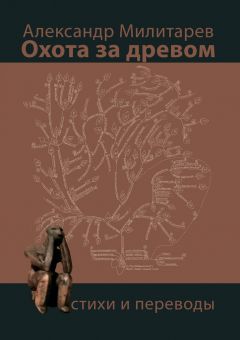
Автор книги: Александр Милитарёв
Жанр: Поэзия, Поэзия и Драматургия
Возрастные ограничения: 18+
сообщить о неприемлемом содержимом
Текущая страница: 9 (всего у книги 15 страниц)
Шрифт:
-
100%
+
«As fast as thou shalt wane, so fast thou grow’st (11)…»
As fast as thou shalt wane, so fast thou grow’st (11)
In one of thine, from that which thou departest;
And that fresh blood which youngly thou bestow’st,
Thou mayst call thine when thou from youth convertest.
Herein lives wisdom, beauty, and increase;
Without this folly, age, and cold decay:
If all were minded so, the times should cease
And threescore year would make the world away.
Let those whom nature hath not made for store,
Harsh, featureless, and rude, barrenly perish:
Look whom she best endowed, she gave the more;
Which bounteous gift thou shouldst in bounty cherish:
She carved thee for her seal, and meant thereby,
Thou shouldst print more, not let that copy die.
«Как станешь увядать, ростки пусти, (11)…»
Как станешь увядать, ростки пусти, (11)
чтоб в их цветах свой цвет вернуть сторицей
и чтоб в потомках кровью прирасти
их свежей, раз своя с трудом струится.
Ведь только в этом мудрость, жизнь и свет!
Иначе – тьма, безумие и смерть.
А жить, как ты? Что ж: шесть десятков лет,
и время – стоп! Пуста земная твердь!
Кого не стоит воспроизводить —
безликих, косных, грубых – те в бесплодье
пусть и умрут, а твой удел – плодить
себе подобных, раз на ум природе
взбрело печатью изваять тебя,
чтоб в оттисках воссоздавать, любя.
«When I do count the clock that tells the time, (12)…»
When I do count the clock that tells the time, (12)
And see the brave day sunk in hideous night;
When I behold the violet past prime,
And sable curls, all silvered o’er with white;
When lofty trees I see barren of leaves,
Which erst from heat did canopy the herd,
And summer’s green all girded up in sheaves,
Borne on the bier with white and bristly beard,
Then of thy beauty do I question make,
That thou among the wastes of time must go,
Since sweets and beauties do themselves forsake
And die as fast as they see others grow;
And nothing ’gainst Time’s scythe can make defence
Save breed, to brave him when he takes thee hence.
«Когда часов унылый слышу бой, (12)…»
Когда часов унылый слышу бой, (12)
гляжу, как мрак ночной съедает свет,
как черный локон тронут сединой
и как фиалки вянет нежный цвет,
как с кроны охрой сыплется листва,
под чьим шатром скрывались в зной стада,
а с дрог свисает летняя трава
седой, колючей бородой – тогда
о красоте я думаю, скорбя,
о той, в конце страды, что время жать.
Прекрасное не бережет себя —
и как от жатвы времени сбежать?
Но смертоносный серп осилит тот,
кто бросит семя прежде, чем уйдет.
«A woman’s face with nature’s own hand painted, (20)…»
A woman’s face with nature’s own hand painted, (20)
Hast thou the master mistress of my passion,
A woman’s gentle heart but not acquainted
With shifting change as is false women’s fashion,
An eye more bright than theirs, less false in rolling:
Gilding the object whereupon it gazeth,
A man in hue all hues in his controlling,
Which steals men’s eyes and women’s souls amazeth.
And for a woman wert thou first created,
Till nature as she wrought thee fell a-doting,
And by addition me of thee defeated,
By adding one thing to my purpose nothing.
But since she pricked thee out for women’s pleasure,
Mine be thy love and thy love’s use their treasure.
«Ты, одаренный женской красотой (20)…»
Ты, одаренный женской красотой (20)
и сердцем (но без женского пристрастья
к изменам, лжи и болтовне пустой) —
он и она в одном предмете страсти.
Лучистый взор твой (ярче женских, кстати,
хоть дамы строят глазки всем подряд),
атлета стан и благородство стати
мужской и женский восхищают взгляд.
Как будто женщиной тебя создав,
природа взревновала, и с досады
план изменила, у меня отняв
тебя, добавив то, что мне не надо.
Но членом став кружка счастливых дам,
мне дай любовь. Что их – я им отдам.
«Like as the waves make towards the pebbled shore, (60)…»
Like as the waves make towards the pebbled shore, (60)
So do our minutes hasten to their end,
Each changing place with that which goes before,
In sequent toil all forwards do contend.
Nativity once in the main of light,
Crawls to maturity, wherewith being crowned,
Crooked eclipses ’gainst his glory fight,
And Time that gave, doth now his gift confound.
Time doth transfix the flourish set on youth,
And delves the parallels in beauty’s brow,
Feeds on the rarities of nature’s truth,
And nothing stands but for his scythe to mow.
And yet to times in hope, my verse shall stand
Praising thy worth, despite his cruel hand.
«Как волны гонит на песок прилив, (60)…»
Как волны гонит на песок прилив, (60)
так время гонит чередой мгновенья,
чтобы они, свой краткий век прожив,
поддерживали вечное движенье.
Вот так и мы – родившись, видим свет,
а к зрелости сияет нимбом темя.
Потом – затменье. Света нет как нет,
и все дары берет обратно время.
Закон природы писан навсегда:
жизнь только расцвела – и все, завяла.
А лоб морщин прорежет борозда,
чтобы коса свою делянку знала.
Но над моей строкой не властен плен,
и светлый образ твой не тронет тлен.
«Tired with all these for restful death I cry, (66)…»
Tired with all these for restful death I cry, (66)
As to behold desert a beggar born,
And needy nothing trimmed in jollity,
And purest faith unhappily forsworn,
And gilded honour shamefully misplaced,
And maiden virtue rudely strumpeted,
And right perfection wrongfully disgraced,
And strength by limping sway disabled
And art made tongue-tied by authority,
And folly (doctor-like) controlling skill,
And simple truth miscalled simplicity,
And captive good attending captain ill.
Tired with all these, from these would I be gone,
Save that to die, I leave my love alone.
«Я смерть зову, жить среди зла устав. (66)…»
Я смерть зову, жить среди зла устав. (66)
Мне горько знать, что в нищете рожденный
в ней и умрет, что нечестивый прав,
а честный вечно будет вне закона,
что вера поруганью предана,
что честь молва позором окрестила,
что девственность разврату продана,
что немощь нагло властвует над силой,
что власть искусству затыкает рот,
что сдался разум глупости на милость,
что прямодушный дураком слывет,
что злу добро в прислуги подрядилось.
От зла устав, совсем ушел бы я,
но как тебе здесь жить, любовь моя?
«No longer mourn for me when I am dead, (71)…»
No longer mourn for me when I am dead, (71)
Than you shall hear the surly sullen bell
Give warning to the world that I am fled
From this vile world with vilest worms to dwell:
Nay if you read this line, remember not,
The hand that writ it, for I love you so,
That I in your sweet thoughts would be forgot,
If thinking on me then should make you woe.
O if (I say) you look upon this verse,
When I (perhaps) compounded am with clay,
Do not so much as my poor name rehearse;
But let your love even with my life decay.
Lest the wise world should look into your moan,
And mock you with me after I am gone.
«Плачь обо мне, но только до того, (71)…»
Плачь обо мне, но только до того, (71)
как похоронный звон доложит миру,
что я ушел от низости его
делить с червем нижайшую квартиру.
Тебя любя, прошу: совсем забудь
про эту руку, что перо держала,
чтоб дальше скорбь теснить не стала грудь
и память больше душу не терзала.
Когда во прах вернусь я, если вновь
листок увидишь с виршами моими,
со мною пусть умрет твоя любовь,
чтоб бедное мое не помнить имя.
Не осмеял бы многомудрый свет
плач по тому, кого на свете нет.
«O lest the world should task you to recite, (72)…»
O lest the world should task you to recite, (72)
What merit lived in me that you should love
After my death (dear love) forget me quite,
For you in me can nothing worthy prove.
Unless you would devise some virtuous lie,
To do more for me than mine own desert,
And hang more praise upon deceased I,
Than niggard truth would willingly impart:
O lest your true love may seem false in this,
That you for love speak well of me untrue,
My name be buried where my body is,
And live no more to shame nor me, nor you.
For I am shamed by that which I bring forth,
And so should you, to love things nothing worth.
«Чтобы тебя не начал подлый свет (72)…»
Чтобы тебя не начал подлый свет (72)
пытать, когда его покину я,
что за достоинства, которых нет,
пригрезились тебе, любовь моя,
в покойном – позабудь меня, мой друг,
и, чтобы обелить меня, не лги,
приписывая мне букет заслуг
и истине потом платя долги.
А чтоб обоих нас не мучил стыд
за недостойное любви вранье,
в одной могиле с телом впредь лежит
пусть имя позабытое мое.
Того, что накропал, стыжусь я сам —
стыдись и ты пристрастья к пустякам.
«That time of year thou mayst in me behold, (73)…»
That time of year thou mayst in me behold, (73)
When yellow leaves, or none, or few do hang
Upon those boughs which shake against the cold,
Bare ruined choirs, where late the sweet birds sang.
In me thou seest the twilight of such day,
As after sunset fadeth in the west,
Which by and by black night doth take away,
Death’s second self that seals up all in rest.
In me thou seest the glowing of such fire,
That on the ashes of his youth doth lie,
As the death-bed, whereon it must expire,
Consumed with that which it was nourished by.
This thou perceiv’st, which makes thy love more strong,
To love that well, which thou must leave ere long.
«Во мне ты видишь год в такую пору, (73)…»
Во мне ты видишь год в такую пору, (73)
когда не слышно птиц, и листопад,
и веток голых брошенные хоры
без нежных певчих на ветру дрожат.
Во мне ты видишь время дня такое,
когда уж солнцу лить свой свет невмочь
и мир печатью вечного покоя
отметит alter ego смерти – ночь.
Во мне огня ты видишь затуханье,
последний отблеск тлеющих углей
и юностью согретое дыханье
от губ, которым скоро гнить в земле.
Но видишь: тем любовь твоя сильней,
чем ближе время расставанья с ней.
«But be contented when that fell arrest, (74)…»
But be contented when that fell arrest, (74)
Without all bail shall carry me away,
My life hath in this line some interest,
Which for memorial still with thee shall stay.
When thou reviewest this, thou dost review,
The very part was consecrate to thee,
The earth can have but earth, which is his due,
My spirit is thine the better part of me,
So then thou hast but lost the dregs of life,
The prey of worms, my body being dead,
The coward conquest of a wretch’s knife,
Too base of thee to be remembered,
The worth of that, is that which it contains,
And that is this, and this with thee remains.
«Когда меня возьмут в бессрочный плен (74)…»
Когда меня возьмут в бессрочный плен (74)
без прав на выкуп за любой залог,
ты не грусти: не властны смерть и тлен
над памятью живою этих строк.
Ты про любовь прочтешь в моих стихах —
про лучшее, что есть в моей судьбе,
а я из праха возвращаюсь в прах,
но дух навек принадлежит тебе.
Что плоть моя? Корм земляных червей,
пожива вора, мусор бытия.
Она не стоит памяти твоей:
что потеряешь ты – уже не я.
Тебе остаться от меня должно
лишь то, что мной в стихах воплощено.
«Or I shall live your epitaph to make, (81)…»
Or I shall live your epitaph to make, (81)
Or you survive when I in earth am rotten,
From hence your memory death cannot take,
Although in me each part will be forgotten.
Your name from hence immortal life shall have,
Though I (once gone) to all the world must die,
The earth can yield me but a common grave,
When you entombed in men’s eyes shall lie,
Your monument shall be my gentle verse,
Which eyes not yet created shall o’er-read,
And tongues to be, your being shall rehearse,
When all the breathers of this world are dead,
You still shall live (such virtue hath my pen)
Where breath most breathes, even in the mouths of men.
«Моей ли жизни раньше выйдет срок, (81)…»
Моей ли жизни раньше выйдет срок, (81)
сложу ли эпитафию тебе я —
не вырвет смерть тебя из нежных строк
моих, когда давно в земле истлею.
Для мира я исчезну без следа,
чтобы с землей в простой могиле слиться,
но в памяти людской ты навсегда
незыблемую обретешь гробницу.
Твой памятник останется в стихах,
в веках и в поколении любом,
и люди на грядущих языках
расскажут о тебе, как о живом.
Жизнь вечную творит перо мое
в устах людей, где дышит дух ее.
«Where art thou Muse that thou forget’st so long, (100)…»
Where art thou Muse that thou forget’st so long, (100)
To speak of that which gives thee all thy might?
Spend’st thou thy fury on some worthless song,
Darkening thy power to lend base subjects light?
Return forgetful Muse, and straight redeem,
In gentle numbers time so idly spent,
Sing to the ear that doth thy lays esteem,
And gives thy pen both skill and argument.
Rise resty Muse, my love’s sweet face survey,
If time have any wrinkle graven there,
If any, be a satire to decay,
And make time’s spoils despised everywhere.
Give my love fame faster than Time wastes life,
So thou prevent’st his scythe, and crooked knife.
«Куда ты делась, муза, что остыл (100)…»
Куда ты делась, муза, что остыл (100)
мой стих? Уже в нем прежней мощи нет.
Или ты тратишь вдохновенья пыл
на менее возвышенный предмет?
Вернись, ленивая, и искупи бездарно
потраченное время! В ухо пой —
в то, что тебе внимает благодарно
и придало перу и смысл, и строй.
Вглядись, беглянка, в милый лик! Восстань!
И если вдруг увидишь увяданья
следы на нем, сатирой гневной стань,
клеймящей злого Времени деянья.
Мою любовь проворнее воспой,
чем Время косит жизнь кривой косой.
«My love is strengthened though more weak in seeming, (102)…»
My love is strengthened though more weak in seeming, (102)
I love not less, though less the show appear,
That love is merchandized, whose rich esteeming,
The owner’s tongue doth publish every where.
Our love was new, and then but in the spring,
When I was wont to greet it with my lays,
As Philomel in summer’s front doth sing,
And stops her pipe in growth of riper days:
Not that the summer is less pleasant now
Than when her mournful hymns did hush the night,
But that wild music burthens every bough,
And sweets grown common lose their dear delight.
Therefore like her, I sometime hold my tongue:
Because I would not dull you with my song.
«Не стала, нет, моя любовь слабей, (102)…»
Не стала, нет, моя любовь слабей, (102)
а стала тише – но сильнее даже:
когда на всех углах кричишь о ней,
то словно выставляешь на продажу.
Тогда весна любви у нас была
и песнь лилась, как Филомелы трели,
но в пору лета знойного вошла
страсть, заглушив элегию свирели.
Тогда лишь грустный соловьиный свист
ночь оживлял, когда же в птичьих хорах
бушует сад, ликует каждый лист,
восторг всеобщ – и нам не так уж дорог.
В разгар жары мой голос должен сесть,
чтоб пением тебе не надоесть.
«Not mine own fears, nor the prophetic soul, (107)…»
Not mine own fears, nor the prophetic soul, (107)
Of the wide world, dreaming on things to come,
Can yet the lease of my true love control,
Supposed as forfeit to a confined doom.
The mortal moon hath her eclipse endured,
And the sad augurs mock their own presage,
Incertainties now crown themselves assured,
And peace proclaims olives of endless age.
Now with the drops of this most balmy time,
My love looks fresh, and death to me subscribes,
Since spite of him I’ll live in this poor rhyme,
While he insults o’er dull and speechless tribes.
And thou in this shalt find thy monument,
When tyrants’ crests and tombs of brass are spent.
«Ни мой страх смерти, ни один пророк, (107)…»
Ни мой страх смерти, ни один пророк, (107)
что судьбы мира предрекает смело,
хоть жизнь в заем дается нам на срок,
не вычислит моей любви предела.
Затменье наша смертная луна
пережила, авгуров посрамив,
спокойные настали времена,
и прочен мир под кущами олив.
За смутными грядут благие годы,
в них, смерть поправ, любовь обновлена.
Забвенью будут преданы народы,
которым незнакомы письмена.
Тираны все сгниют в гробах своих —
тебя хранит навек мой тихий стих.
«Let me not to the marriage of true minds (116)…»
Let me not to the marriage of true minds (116)
Admit impediments, love is not love
Which alters when it alteration finds,
Or bends with the remover to remove.
O no, it is an ever-fixed mark
That looks on tempests and is never shaken;
It is the star to every wand’ring bark,
Whose worth’s unknown, although his height be taken.
Love’s not Time’s fool, though rosy lips and cheeks
Within his bending sickle’s compass come,
Love alters not with his brief hours and weeks,
But bears it out even to the edge of doom:
If this be error and upon me proved,
I never writ, nor no man ever loved.
«Поверить, что прогнется под судьбой (116)…»
Поверить, что прогнется под судьбой (116)
союз двух верных душ, не дай мне бог:
любви начертан путь, неведом сбой,
ничто разлука и не значим срок.
Любовь – та неизменная звезда,
чей путь расчислен, хоть и смысл не явен.
Что ей до бурь земных? По ней суда
находят курс в спасительную гавань.
Любовь не служит Времени шутом,
хоть на лице и оставляет шрамы
его коса. Дни, годы нипочем
любви – она юна до смерти самой.
Без этого любви в природе нет,
и мной не создан ни один сонет.
«Tis better to be vile than vile esteemed, (121)…»
«Tis better to be vile than vile esteemed, (121)
When not to be, receives reproach of being,
And the just pleasure lost, which is so deemed,
Not by our feeling, but by others’ seeing.
For why should others’ false adulterate eyes
Give salutation to my sportive blood?
Or on my frailties why are frailer spies,
Which in their wills count bad what I think good?
No, I am that I am, and they that level
At my abuses, reckon up their own,
I may be straight though they themselves be bevel;
By their rank thoughts, my deeds must not be shown
Unless this general evil they maintain,
All men are bad and in their badness reign.
«Куда приятнее порочным быть, (121)…»
Куда приятнее порочным быть, (121)
чем им не быть, а только лишь считаться:
хоть удовольствие бы получить
(что жаждут все, но не спешат признаться).
Что ж кровь моя живая не дает
покоя людям, что меня грешней?
За мной шпионить рад блудливый сброд,
свою мораль навязывая мне.
Пусть по себе не судят, лицемеры!
Чей путь прямой, а чей кривой – бог весть.
Судить, своей испорченности в меру
их право. Я – такой, какой я есть.
Их кредо: человек погряз во зле,
и лишь пороки правят на земле.
«No! Time, thou shalt not boast that I do change, (123)…»
No! Time, thou shalt not boast that I do change, (123)
Thy pyramids built up with newer might
To me are nothing novel, nothing strange,
They are but dressings Of a former sight:
Our dates are brief, and therefore we admire,
What thou dost foist upon us that is old,
And rather make them born to our desire,
Than think that we before have heard them told:
Thy registers and thee I both defy,
Not wond’ring at the present, nor the past,
For thy records, and what we see doth lie,
Made more or less by thy continual haste:
This I do vow and this shall ever be,
I will be true despite thy scythe and thee.
«Врешь, время, ты не властно надо мной! (123)…»
Врешь, время, ты не властно надо мной! (123)
Смешно мне новых пирамид величье.
По мне, все неизменно под луной —
как мир, старо, хоть и в ином обличье.
Жизнь коротка, и всякое старье
за новизну тут примешь – не захочешь,
разинув рот на вечное вранье,
которым ты нам голову морочишь.
Не верю я и хроникам твоим,
где прошлое не схоже с настоящим —
ты эту ложь внушаешь нам, слепым,
в извечной гонке за тобой спешащим.
Я верность постоянству пронесу
до смерти – плюнув на твою косу.
«If my dear love were but the child of state, (124)…»
If my dear love were but the child of state, (124)
It might for Fortune’s bastard be unfathered,
As subject to time’s love or to time’s hate,
Weeds among weeds, or flowers with flowers gathered.
No it was builded far from accident,
It suffers not in smiling pomp, nor falls
Under the blow of thralled discontent,
Whereto th’ inviting time our fashion calls:
It fears not policy that heretic,
Which works on leases of short-numbered hours,
But all alone stands hugely politic,
That it nor grows with heat, nor drowns with showers.
To this I witness call the fools of time,
Which die for goodness, who have lived for crime.
«Когда б, любовь, ты от тщеты пустой (124)…»
Когда б, любовь, ты от тщеты пустой (124)
и от судьбы каприза вдруг родилась,
тебя б оставил случай сиротой
изменчивому времени на милость.
Но нет, моя любовь не такова,
ей вечным жить дано – не настоящим,
ей пышные противны торжества,
она стойка к невзгодам предстоящим.
Не ей за краткосрочный интерес
служить по найму времени в угоду.
Она высоким целям служит без
оглядки на текущую погоду.
В свидетели былых шутов беру,
чья жизнь была во зло, а смерть – к добру.
С этой книгой читают: